Vapor Intrusion Assessment and Mitigation, Grand Rapids, MI
Vapor intrusion and mitigation for properties under imminent risk.
THE PROJECT
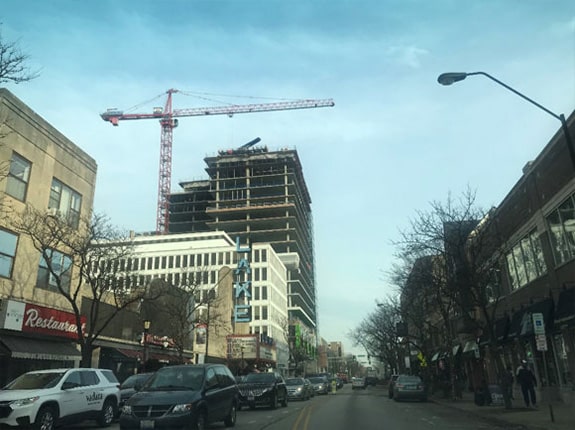
Chlorinated volatile organic compound (CVOC) impacted soil and a CVOC groundwater plume emanated from a former dry cleaner in the City of Grand Rapids, Michigan. The former dry cleaner building was demolished and now is an apartment building. Many of the nearby businesses, residences, churches etc. were located within the groundwater plume which created an imminent exposure risk due to vapor intrusion. The CVOC’s trichloroethylene (TCE), tetrachloroethylene (PCE) and cis-1,2-Dichloroethylene (cis-1,2-DCE) were observed in soil, groundwater, and soil gas concentrations exceeding residential screening levels.
AKT Peerless was contracted to conduct remedial investigation activities to identify whether or not a widespread VI risk was present in the downtown commercial area. If VI concerns were identified, vapor mitigation systems were designed and installed.
OUR ROLE
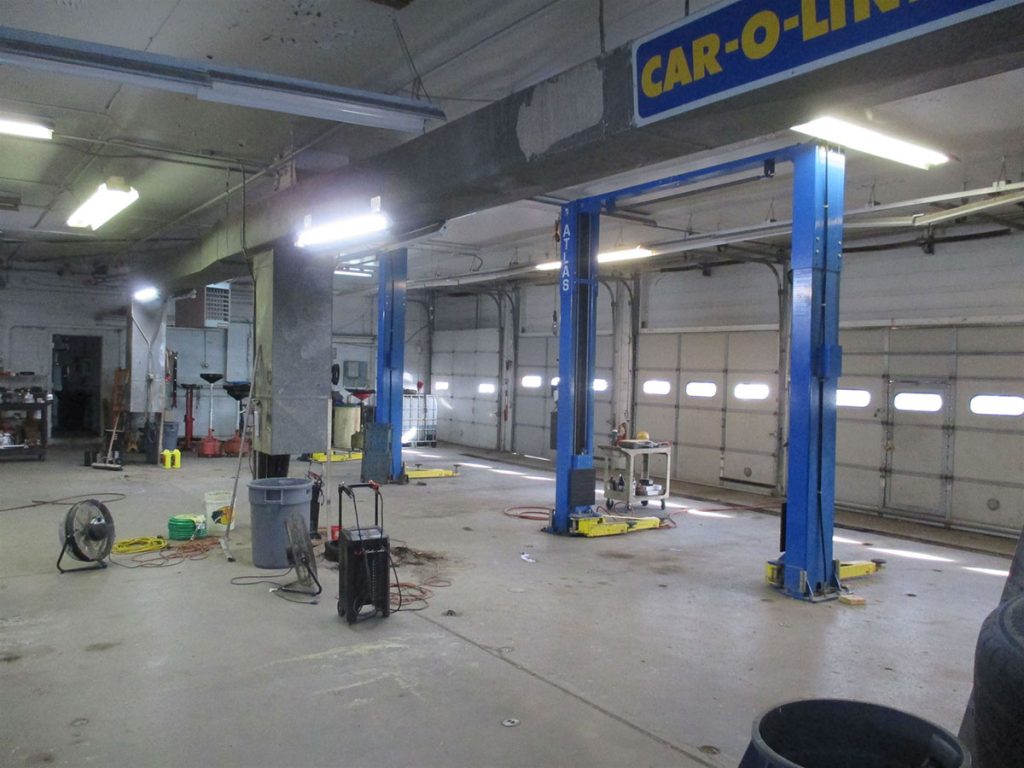
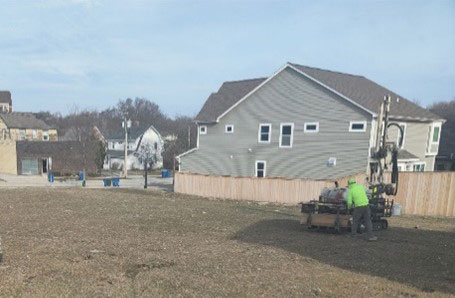
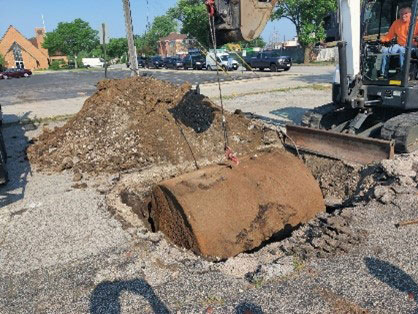
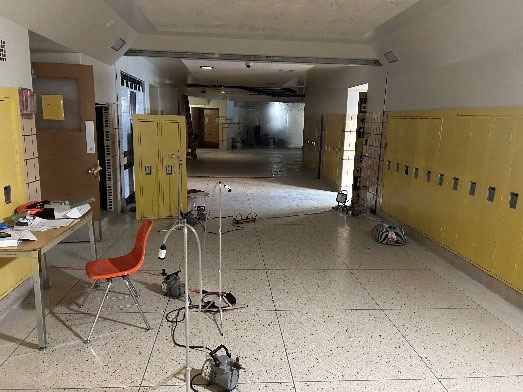
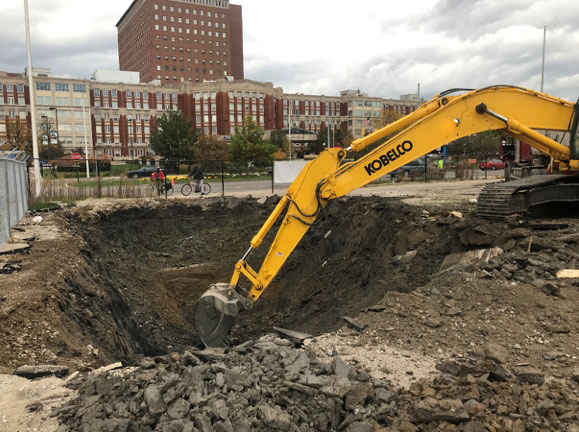
AKT Peerless conducted remedial investigation activities to better define the horizontal and vertical extent of the known soil gas and groundwater contamination in the area around the former dry cleaner. Sub-slab soil gas sampling was conducted at select properties to determine the potential risk from harmful vapors entering the structures. The results of the investigation would assist in designing and implementing remedial options, which would include vapor mitigation systems.
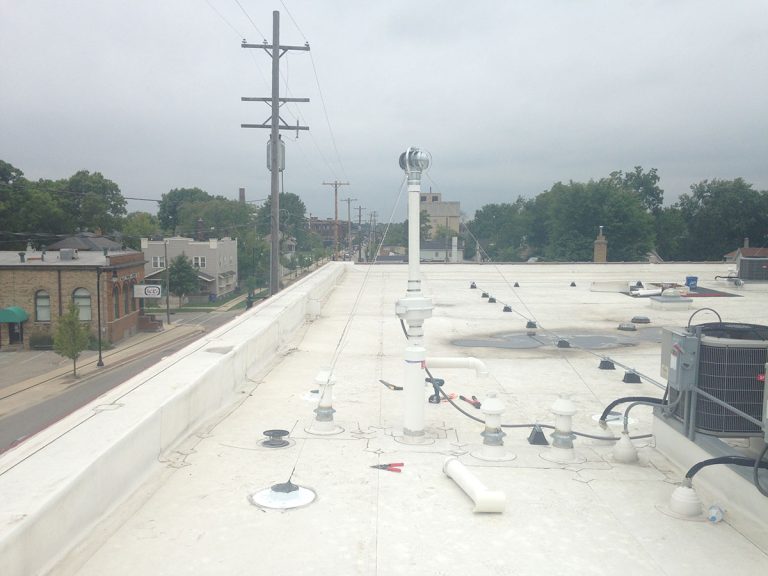
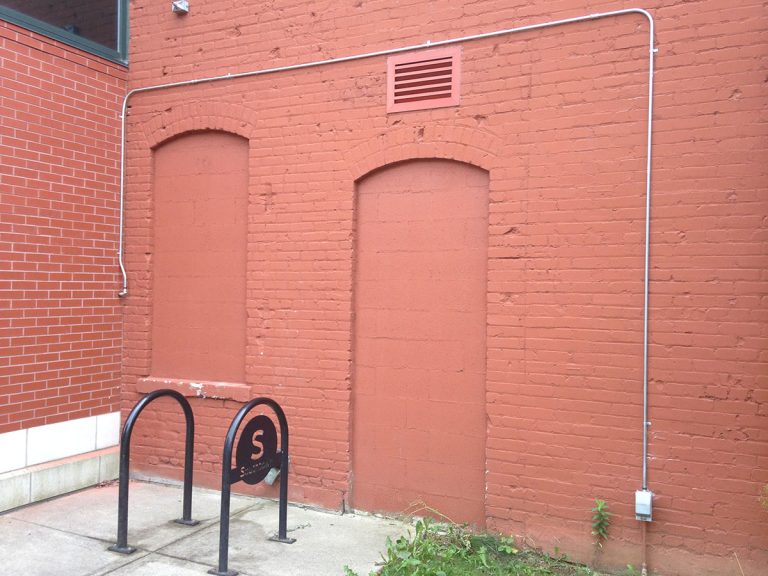
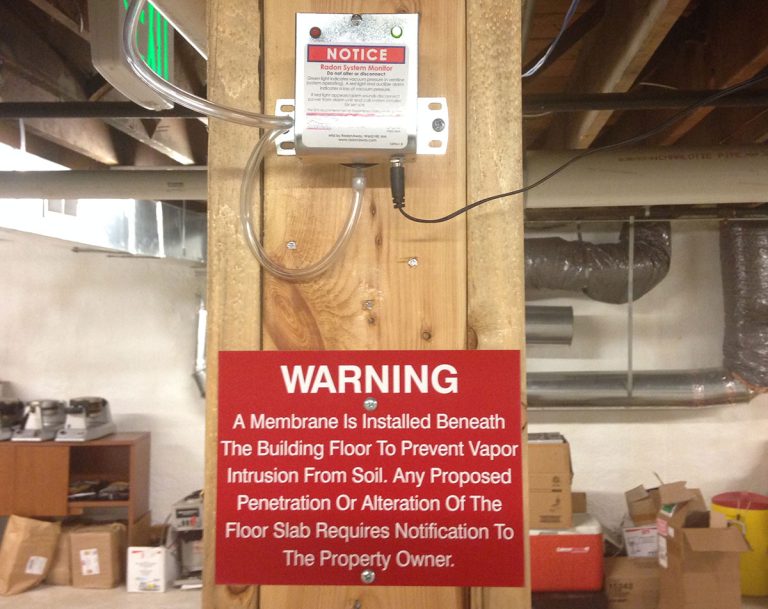
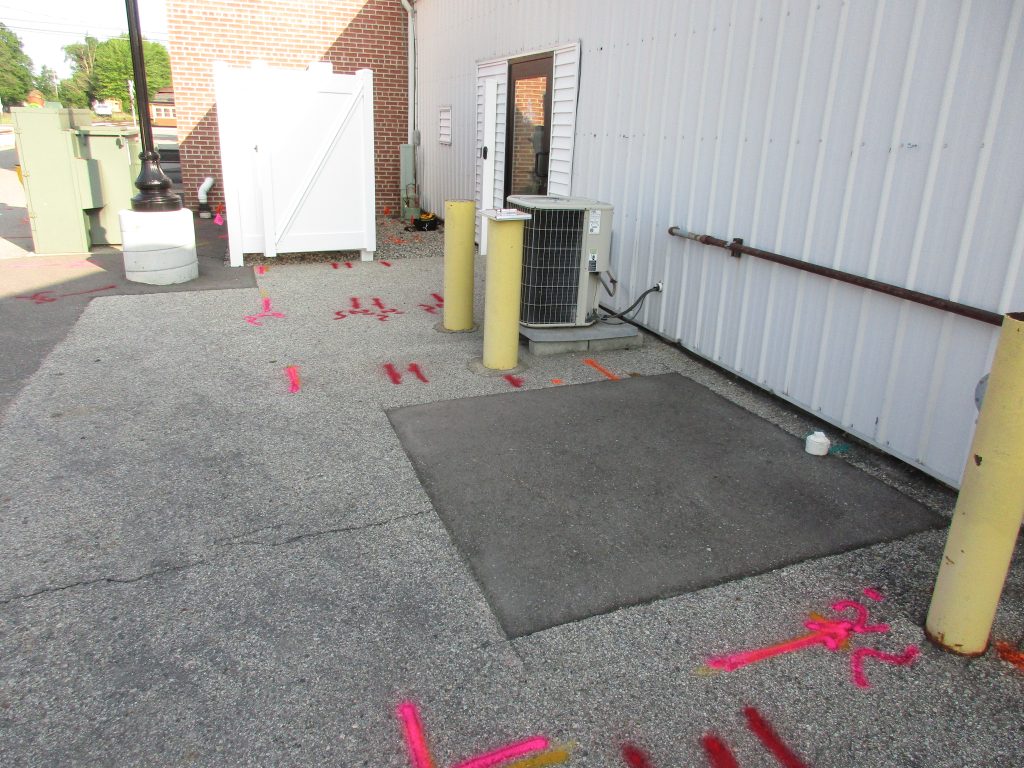
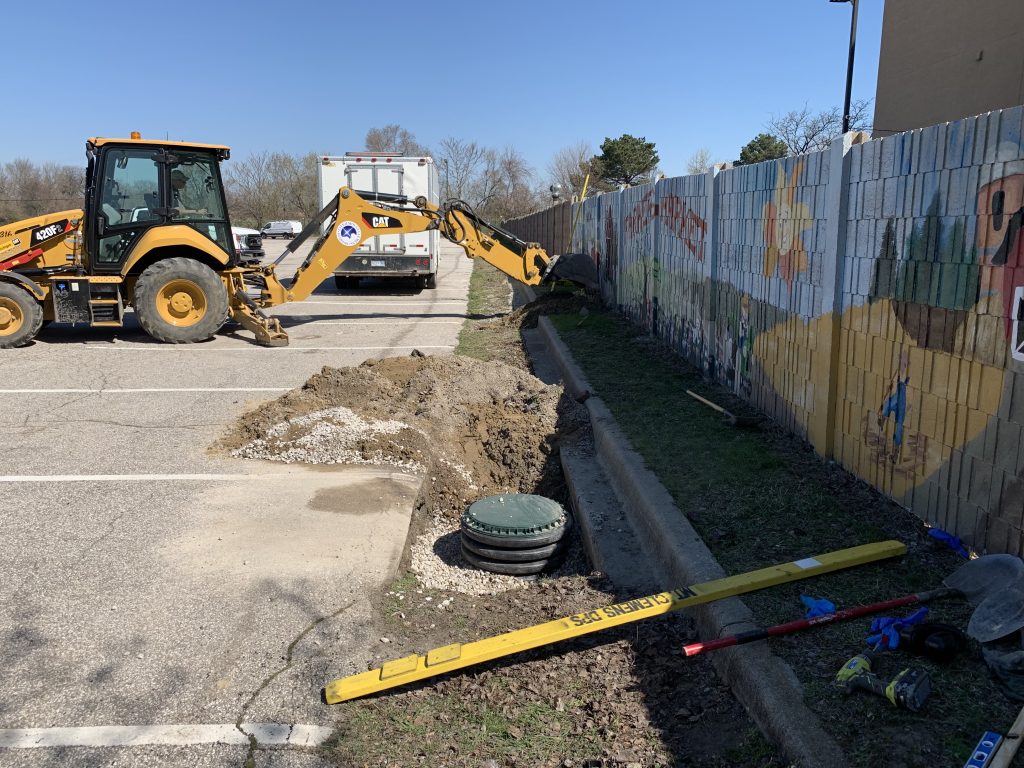
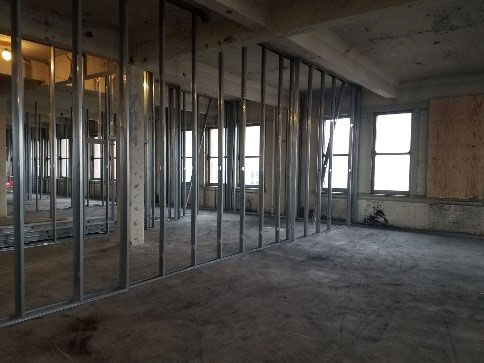
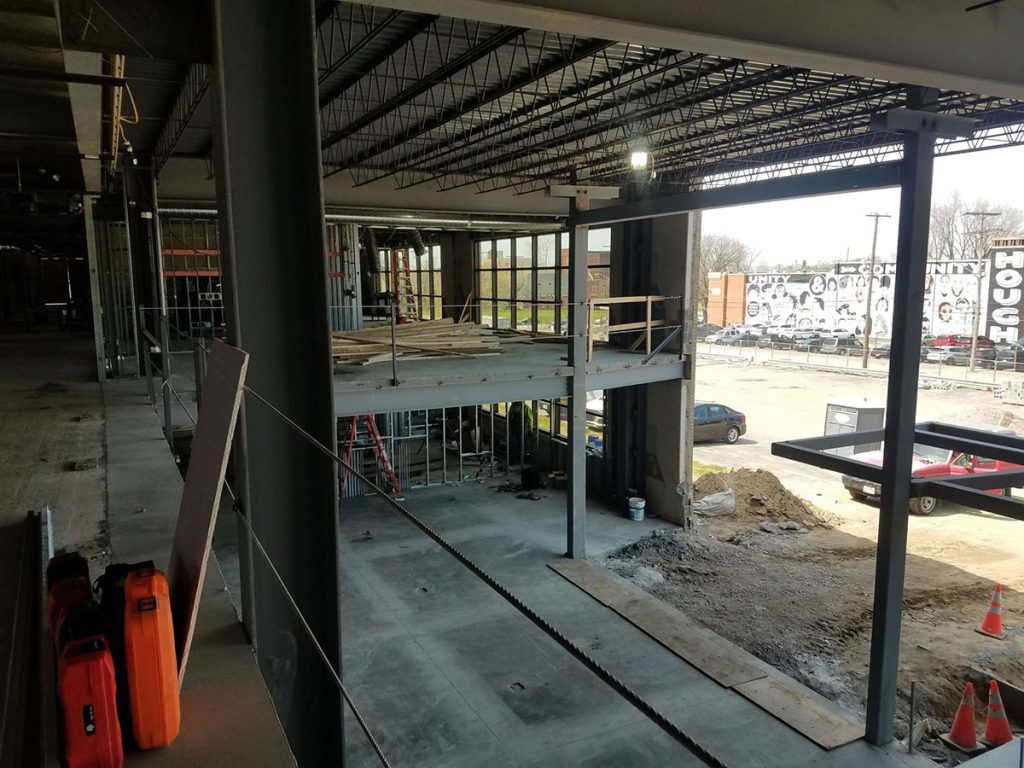
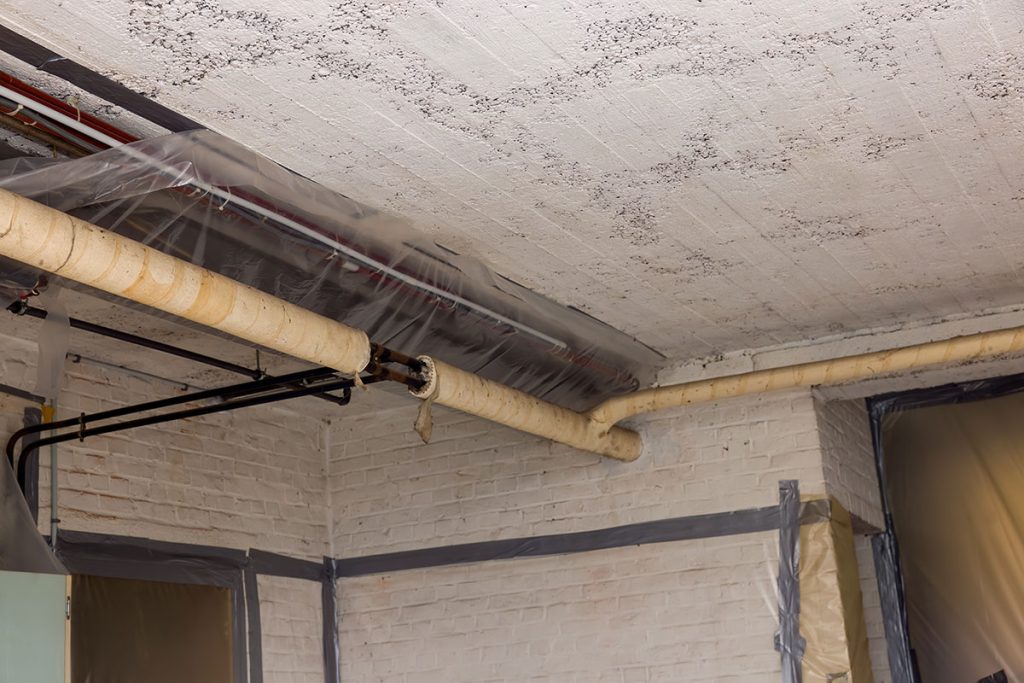
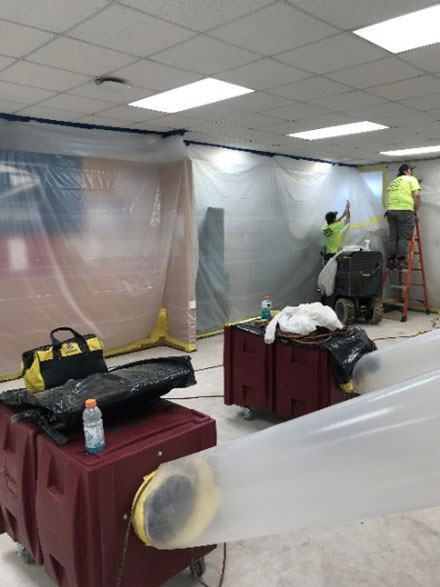
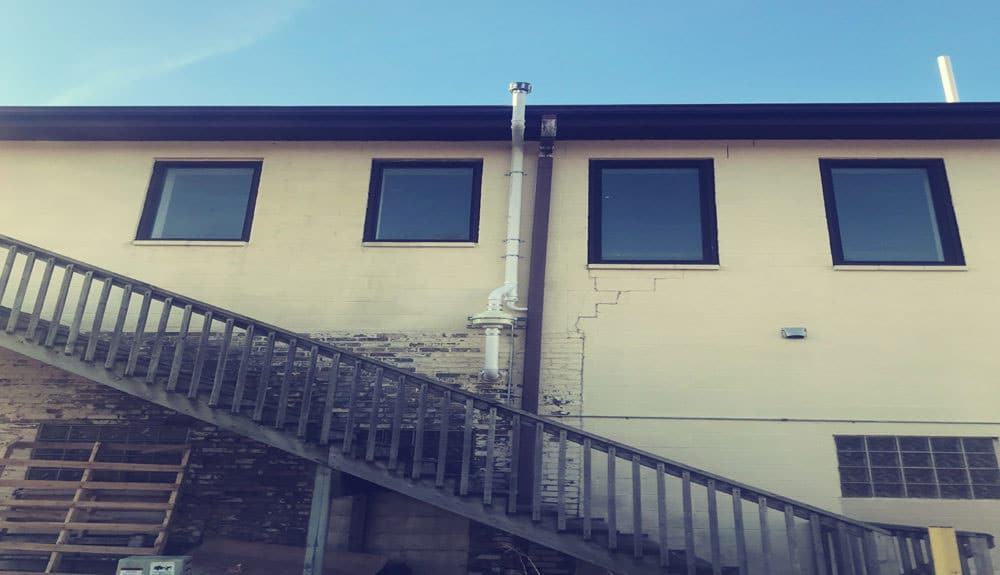
Soil gas results indicated a potential risk from harmful vapors entering eight locations. AKT Peerless designed and installed active sub-slab depressurization systems in these locations. AKT Peerless also conducted performance monitoring of the systems to demonstrate effectiveness of the remedies, reported monitoring results to the Michigan Department of Environment, Great Lakes and Energy (EGLE -formerly – MDEQ) and the US Environmental Protection Agency (USEPA).